
internal
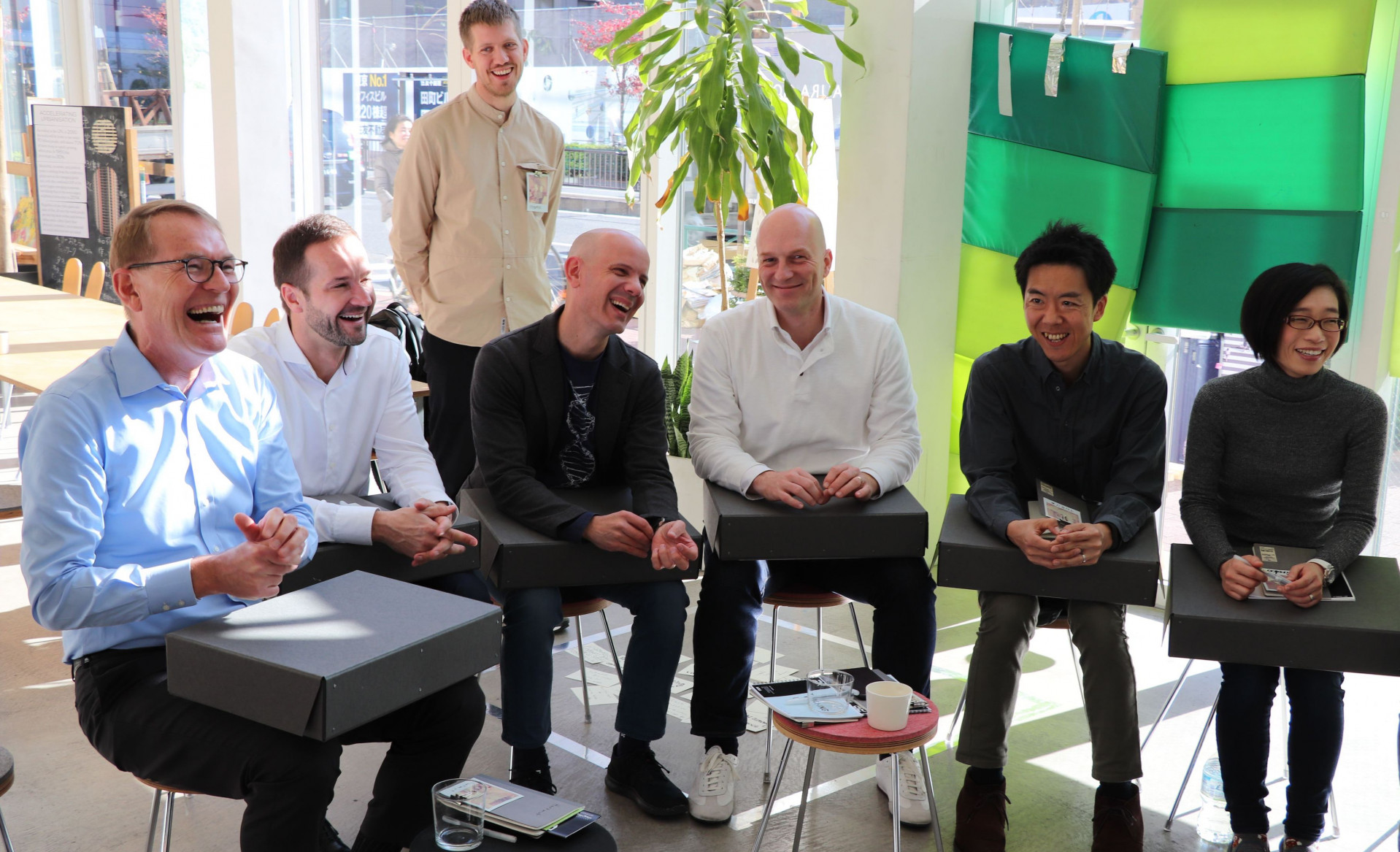
In November 2019, ArtRebels and Daimler Trucks Asia convened in Tokyo for what was our second workshop and real-life interaction. Over two days of interactive exercises and world-building experiences, ArtRebels guided DTA further into the innovation model that would together help us realise a new era of mobility.
This is a brief recap of Day 2, in which we deep-dived into two of the core tools in the ArtRebels innovation methodology: Storytelling and Social Dreaming.
Visual Storytelling: Our Shared Visual Language
Up until this point, we’d been executing this project from two different camps on opposite sides of the world — ArtRebels in Copenhagen, and Daimler Trucks Asia in Tokyo. We’d collaborate closely, but this distinction could be felt not only in our geographical locations, but also in the identity and language — both visual and verbal — that we used for the project.
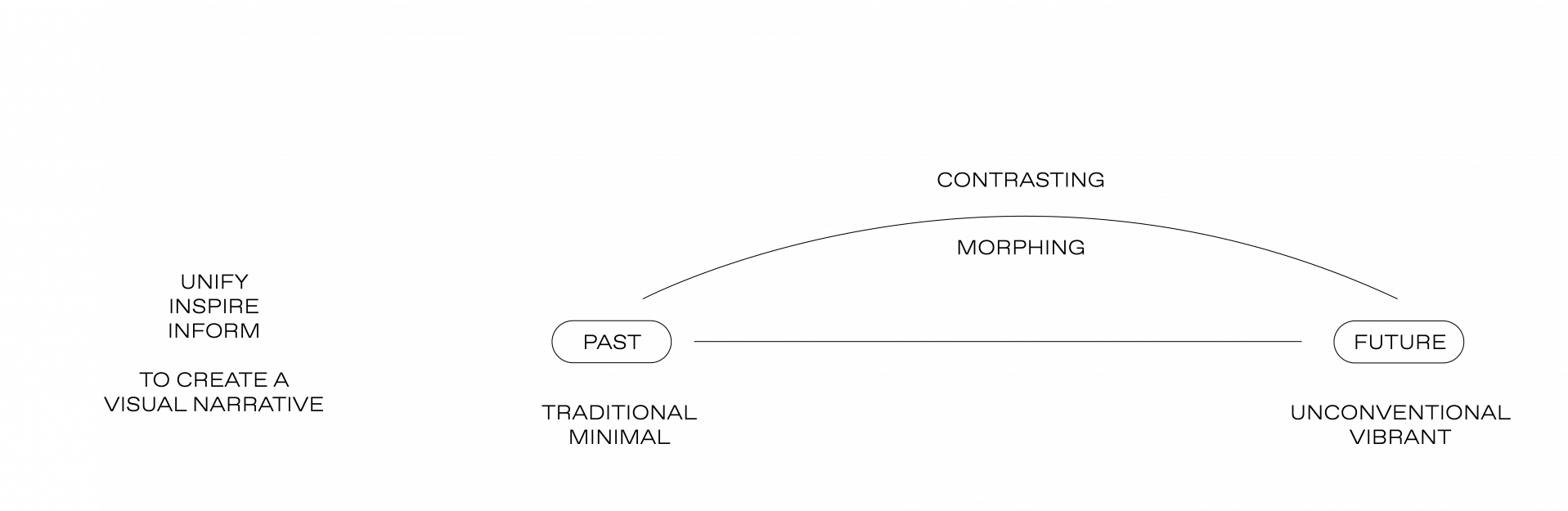
But moving forward, in order for this collaboration to take on a life of its own and truly live up to its full potential — of brand positioning, communication, talent recruitment, thought-leadership and more — we needed to create a beautiful, memorable and instantly-recognisable visual identity that could belong to the project alone.
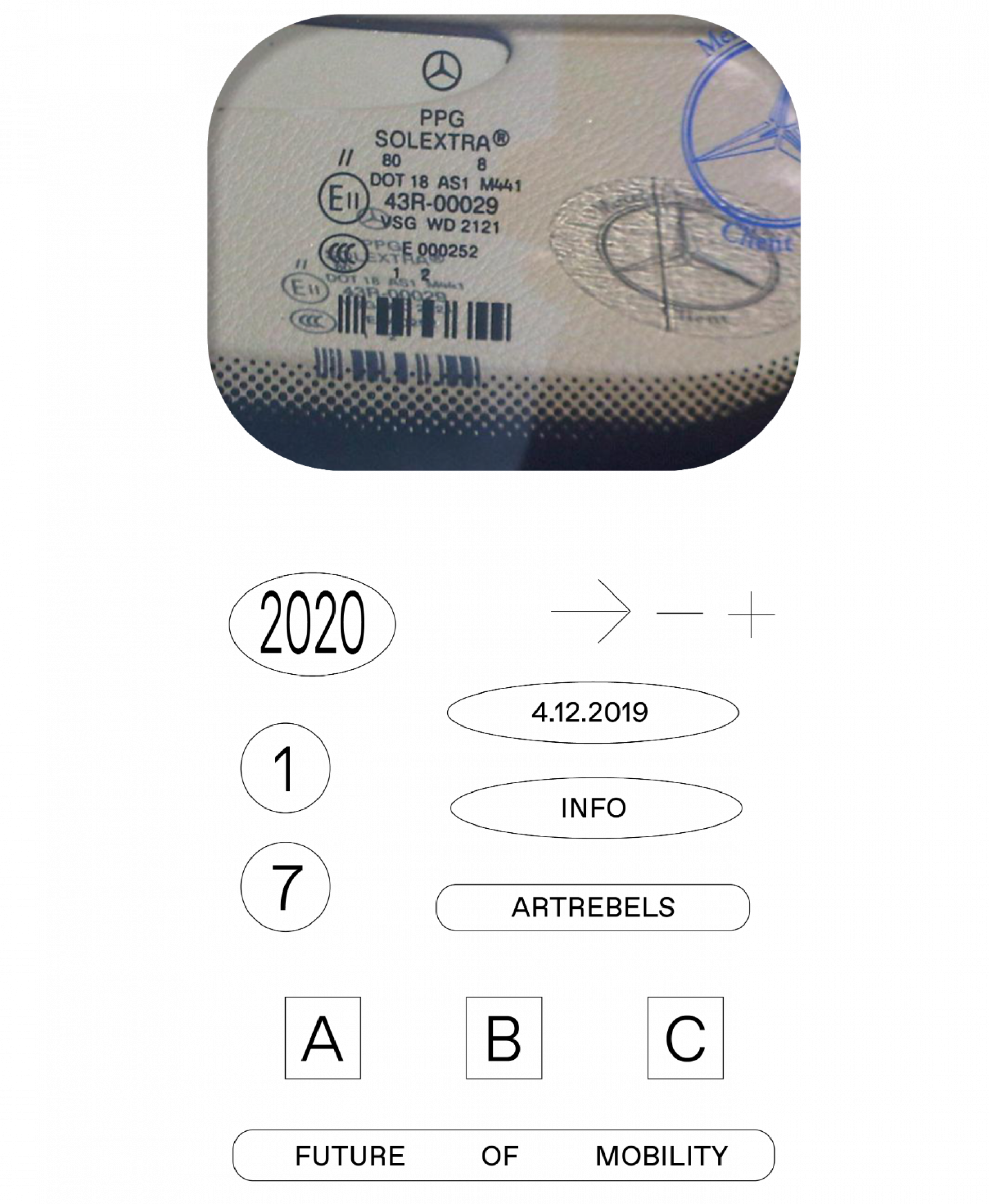
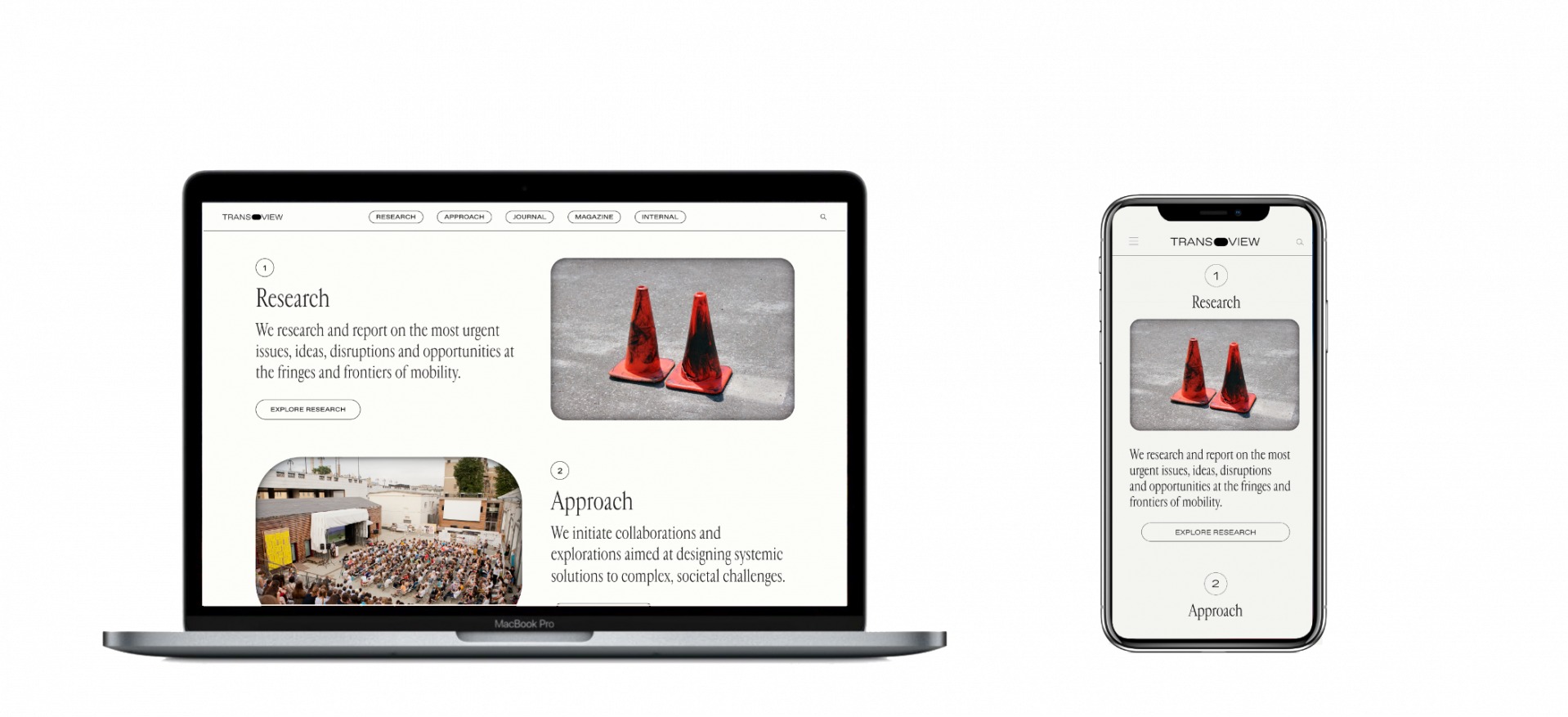
In the first session of Day #2, Tytti introduced the design directions she’d been developing for the project in order to create a shared visual language that we can all use and be inspired by. As you’ve since seen, this identity forms the visual foundations for everything that we do — from TRANSVIEW.io to our future annual TRANSVIEW conference.
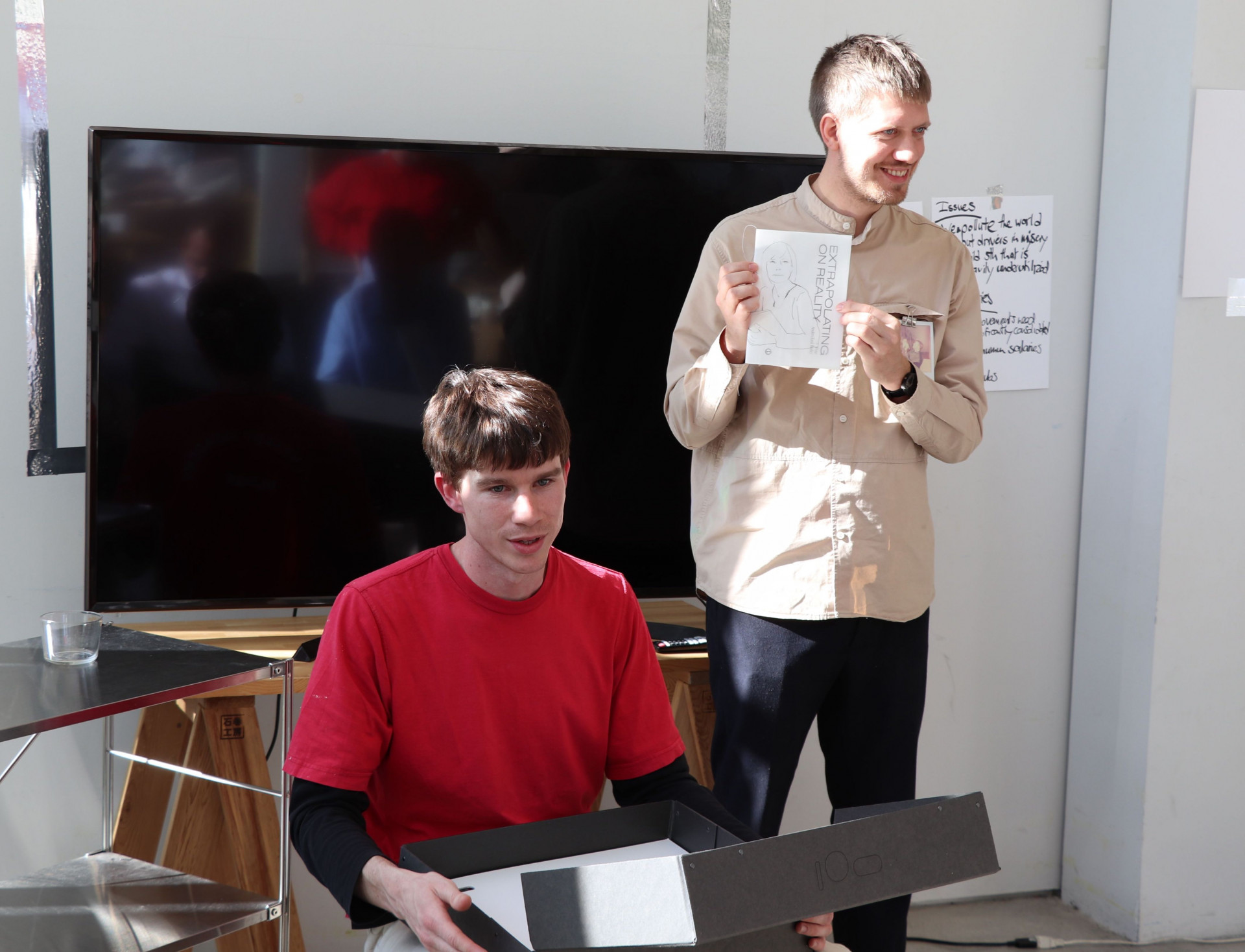
Handover of Magazine Issue #1: Social Dreaming
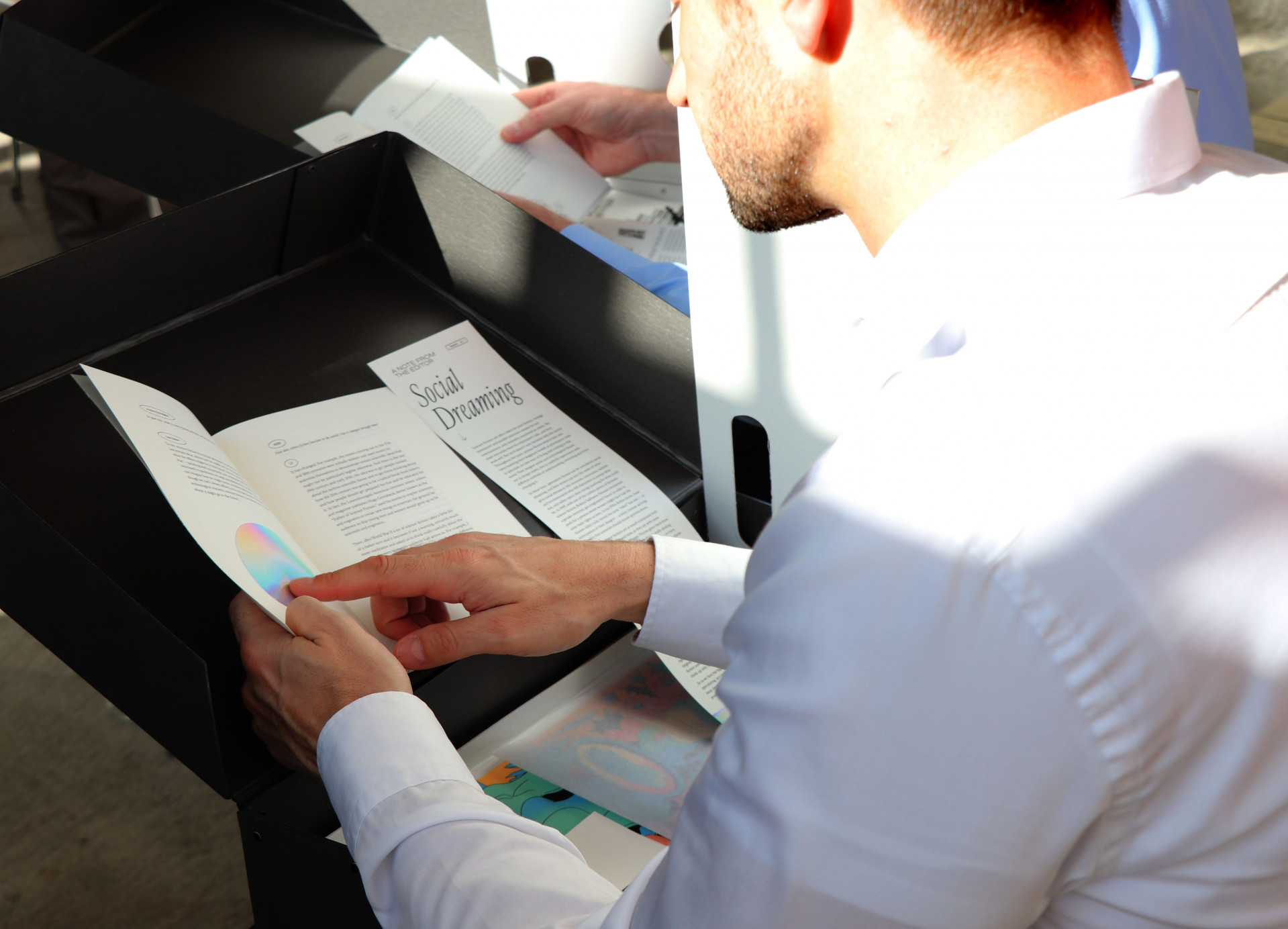
Hot off the trails of Tytti’s incredible visual identity presentation, Carla & Doug handed over one of the first physical manifestations of that identity — a deconstructed magazine full of stories and articles unfolding one of our core tools for innovation: Social Dreaming.
You’d probably already guessed by that point, but most of the work that ArtRebels does isn’t interested in maintaining the status quo of what is, but rather questioning, challenging and pushing for what could be. In doing that, we don’t attempt to predict the future; instead we use different methods of unlocking our imaginations of all the different, possible futures that lay ahead of us.
By not putting all of our eggs in the basket of one future, we prefer to keep speculating, designing and dreaming about all of the paths we could walk down. In doing so, we truly believe that we’re much more equipped to make clearer and better decisions today that might take us toward this brighter future we’re all talking about.
We have a number of different methods for doing this — like speculative design, scenario design, science fiction and playful research — but they all fit within this broader tool of Social Dreaming. As always, we aim to share everything we do in ways that are both engaging and informative, so we used storytelling and design to package Social Dreaming into a beautiful box of written and visual stimulation.
Fantasy World League 2050: Trucking
Before moving into our central exercise for the day, we first released the results of our Fantasy World League betting game that we’d shared the week before, which had the DTA team place bets on different trends in trucking and mobility for the year 2050.
The results were mixed. On some points, the team were fully aligned; on others they were completely polarised, with no clear consensus. But in the end, the point wasn’t to determine winners or losers (predicting the future is impossible, in any case), but rather to warm up our speculative brain-muscles and start thinking in the timespan of decades for our next exercise in worldbuilding.
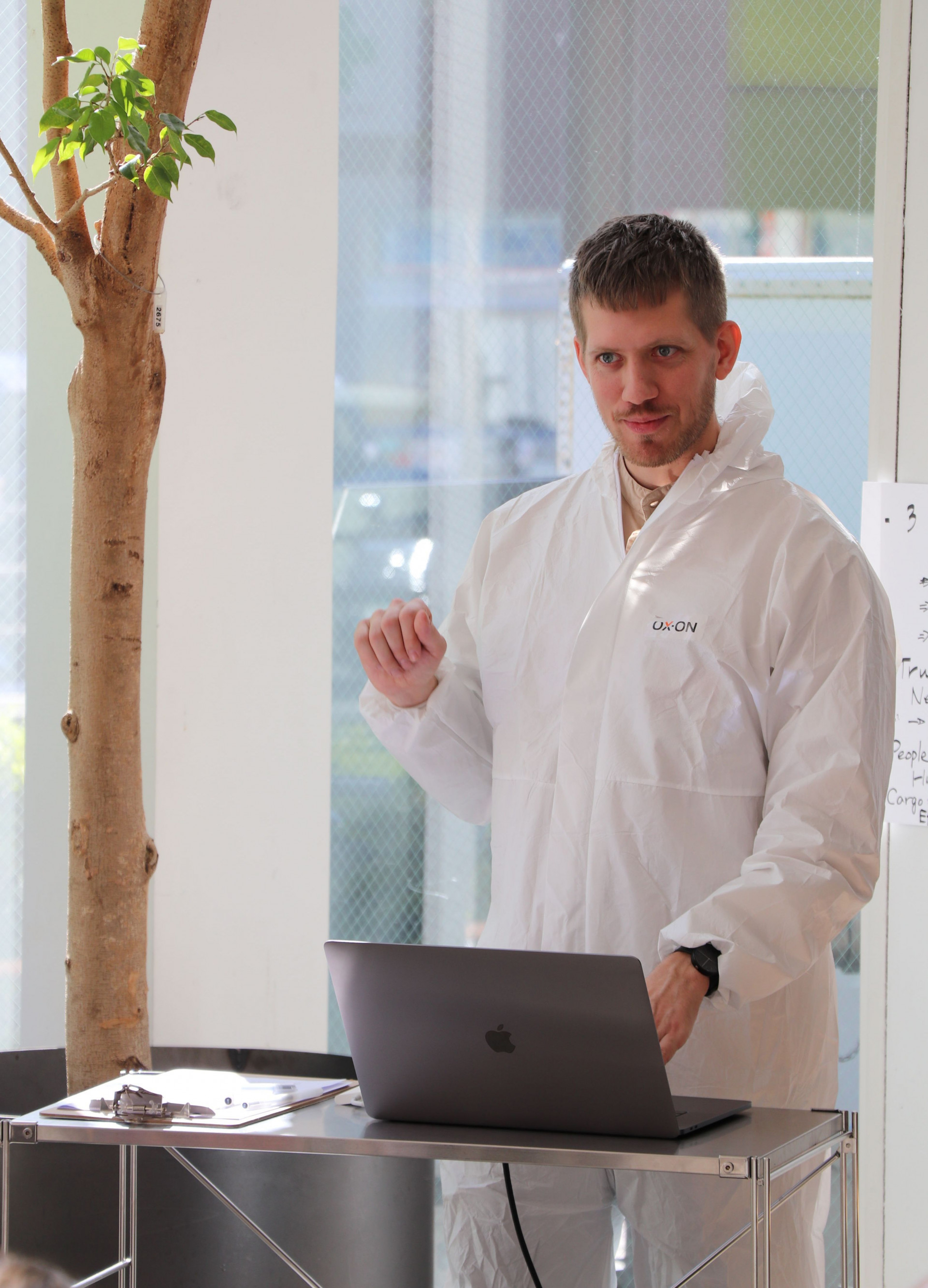
Welcome to 2050: Speculative Roleplay
Once we’d established a common understanding of Social Dreaming, we were ready to step into the future — literally — and all become speculative practitioners. This live-action roleplay was an exercise in world-building that saw us each assume different pre-defined characters playing out fun and dramatic fictional situations in the year 2050.
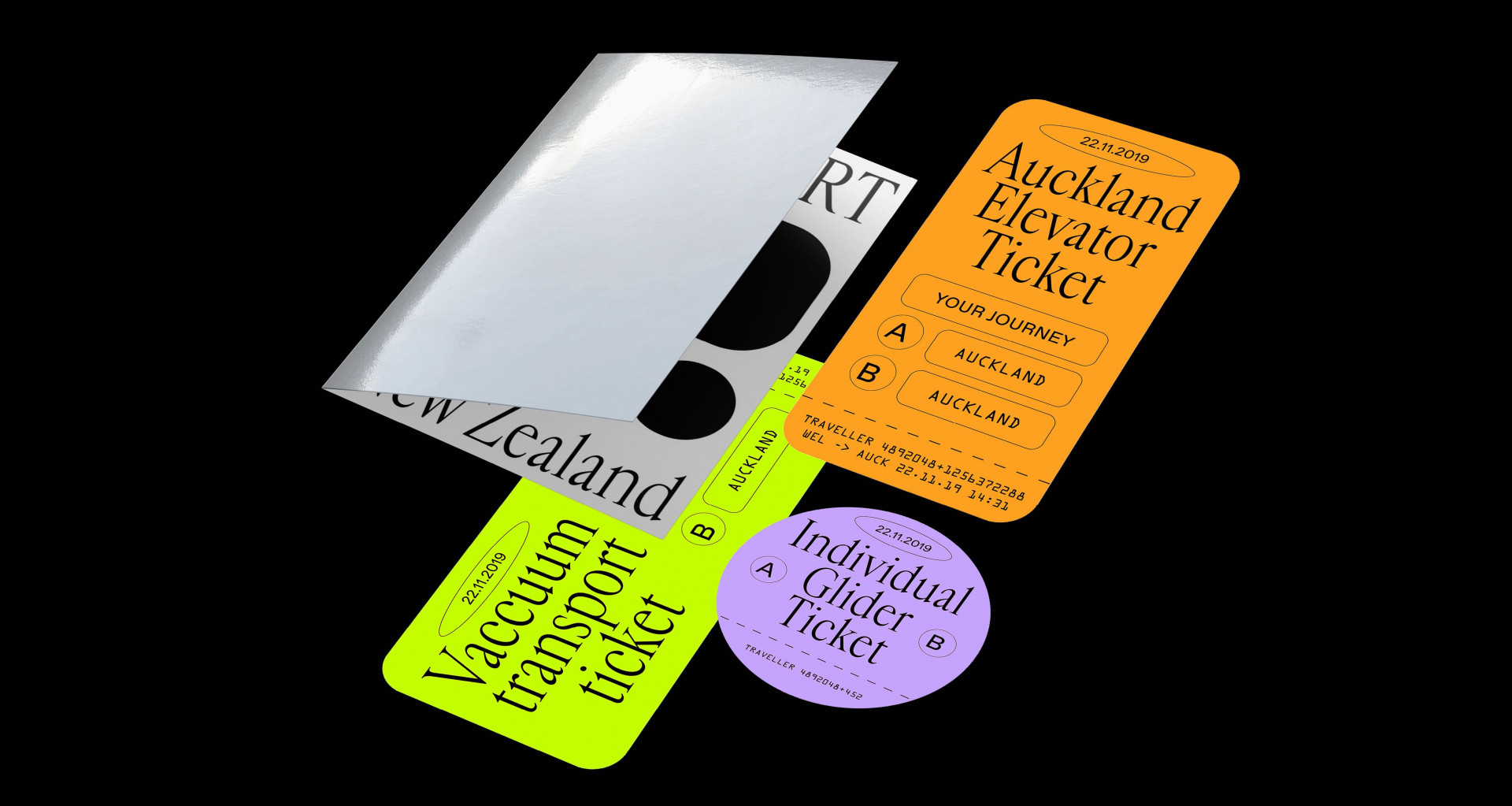
"Welcome to 2050, everyone. You are a group of strangers in a foreign part of the world, brought together by the shared act of moving. You are individual travellers, who each for your own reasons are travelling from Wellington Station in the south of New Zealand to the Auckland Space Elevator, where you will all continue on your journeys to different destinations all over the world."
After acting out a number of different scenes set throughout yet-to-be-invented modes of mobility, each character was assigned a reflective task based on what they saw, heard and felt in the future, which they then presented to the group. Some were poetic ramblings on the broken state of mobility, others were loving letters of advice for the education of their make-believe grandchildren, and others still were diary entries dissecting their values and how that relates to their dream workplace.
The tasks varied by character, but they were all designed to connect the experiences and mindsets developed in our future roleplay with some highly-relevant part of our present.
Documentary Screening
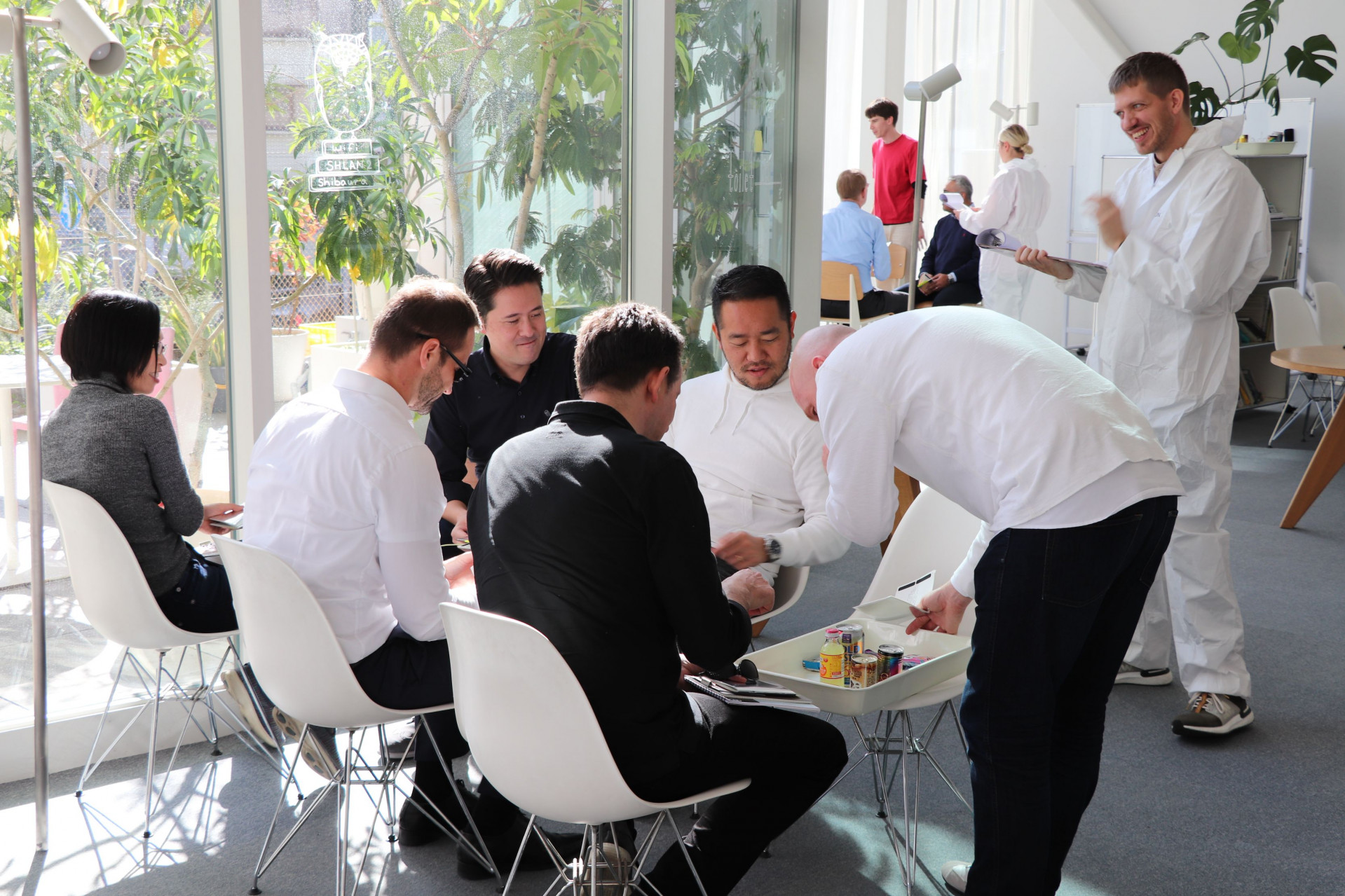
Next, we assembled on cushions and couches around the upstairs T.V. for a documentary screening of The Future of Work and Death, in which scientists, technologists, futurists and other great thinkers discuss how technology is likely to change the future of humanity.
We chose this film in particular because we wanted to showcase the power of visual storytelling as a tool for reflecting on our future, by opening the conversation of what the future looks like. In addition, there were several pressing questions raised in the film which are directly linked to DTA. How do people live and work in the future? What are their jobs? What will be automated?
These questions led to an involved group discussion which made it very clear that it is one thing to be inspired and aware of what is happening in the world — but it’s another thing entirely to translate that into actionable projects and insights. It was revealed during our post-film conversation that it is unclear how to act and prepare for an everchanging world.
Wish-tree and Goodbye
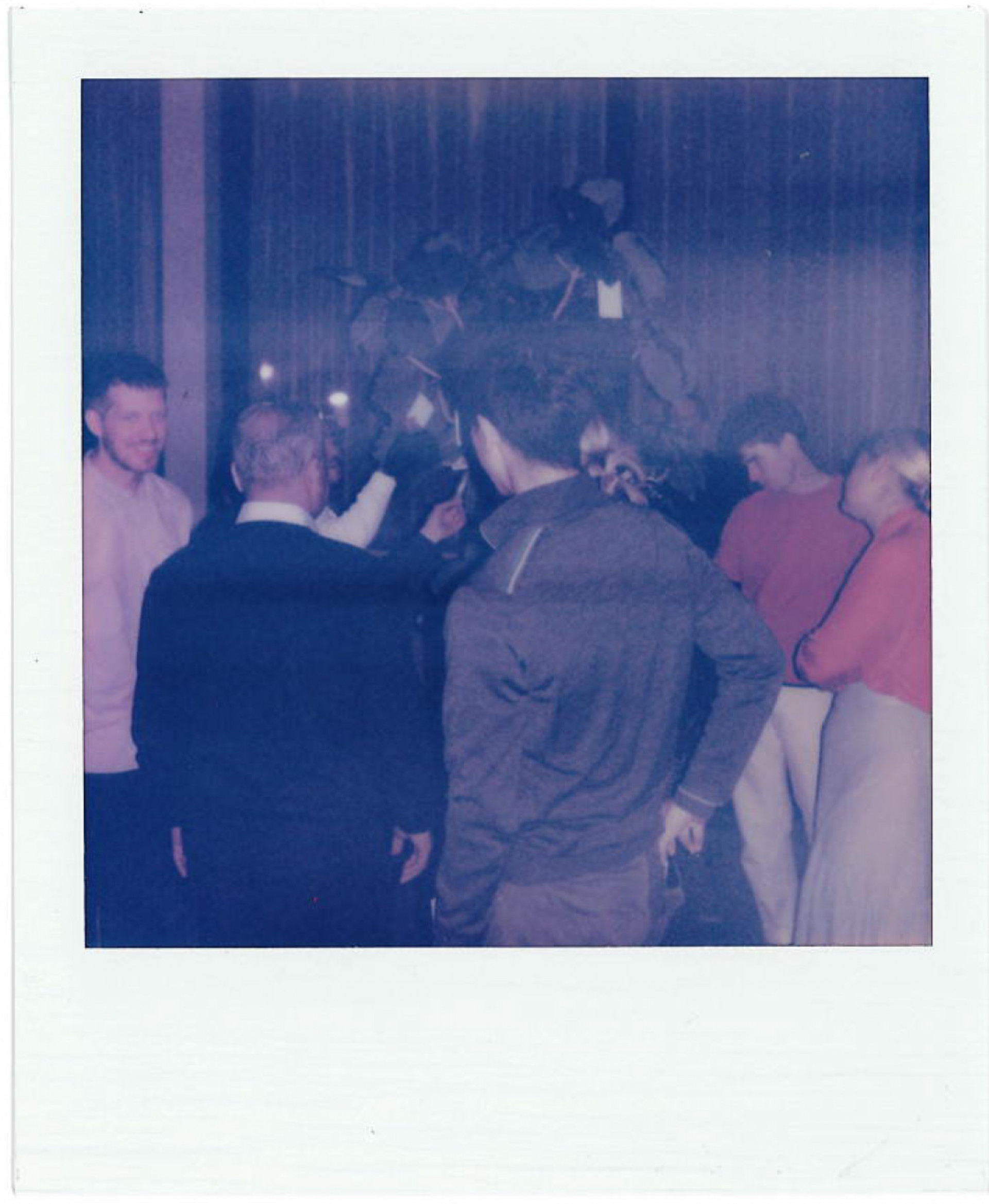
Finally, to round off the two-day workshop, we together populated a Wishing Tree with all of hopes and dreams for the future, related to this project and beyond.
“Since anyone taking part has the ability to read all the other wishes that have been tagged on the Wishing Tree, the project bears a closeness and intimacy to it that connects each and every participant. Additionally, the Wishing Tree was created as a living monument that represents all the participant’s dreams, large and small.” — Yoko Ono, creator of the Wishing Tree format
The wishes hanging off of our shared tree were varied. There were social dreams (creating a better future for our children), environmetal hopes (transitioning to fully-sustainble mobility) and business goals (8% ROI). But, in the end, they all cemented the need and potential of our journey together:
To marry social, environmental and business impacts and together explore a brighter and more empowering future of mobility.