internal
In August 2019, the ArtRebels team went to Tokyo, Japan for the first time. Excited to get a better understanding of the challenges and opportunities faced by Daimler Trucks Asia, we embarked on an intensive one day workshop, designed to frame the initial direction for the year ahead.
Factory Tour: Visiting HQ
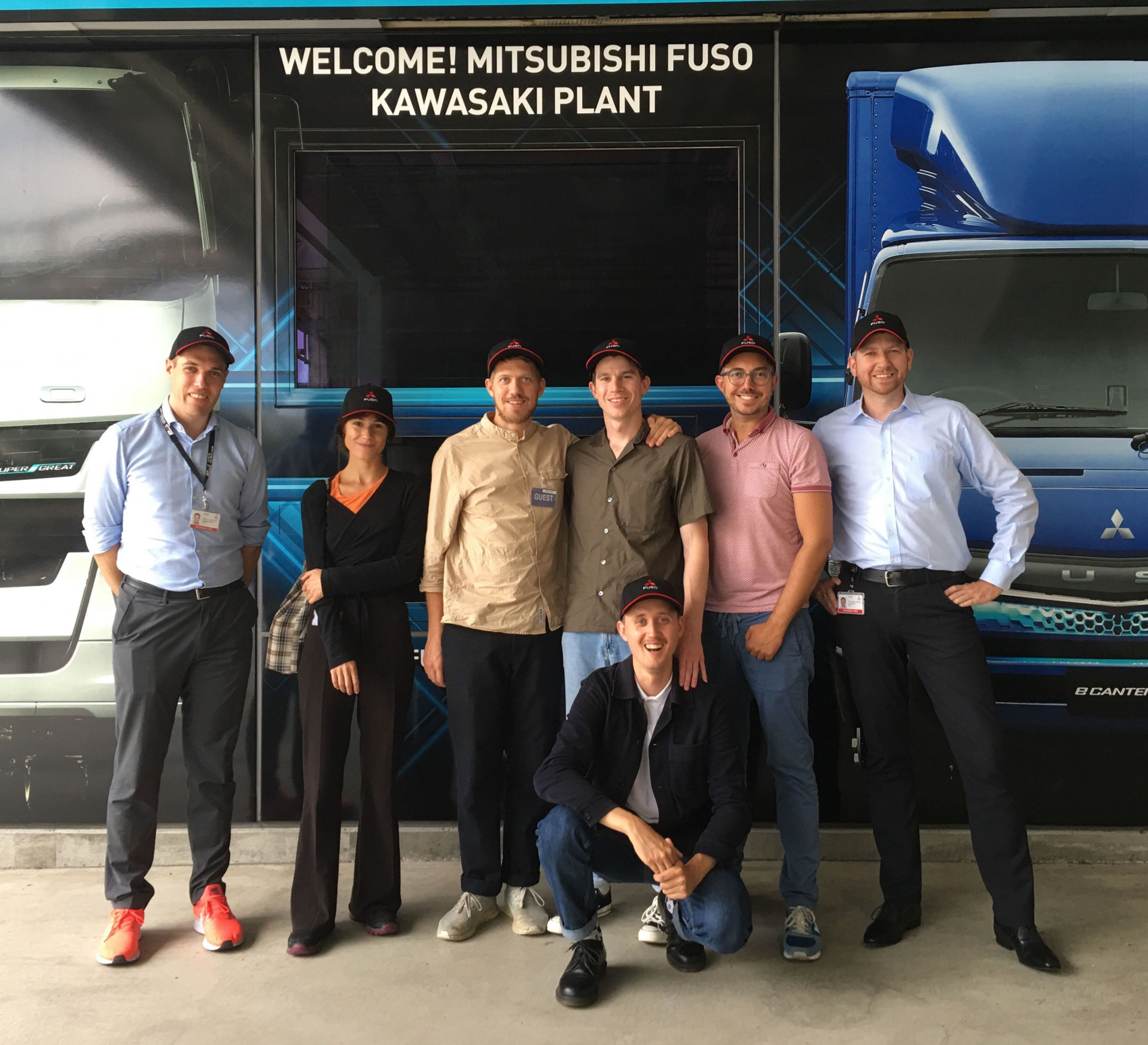
The day before the workshop, we had the pleasure of receiving a tour of the Kawasaki factory. While members of DTA are familiar with the scale, complexity and efficiency of the factory floor, it was an extraordinary experience for the ArtRebels team. Connected with the tour was also a presentation by Head of Connectivity Peter Veigele, a visit to the Robotic Lab and a conversation with Robert Dürst, Director of Technical Operations.
As the ArtRebels team gathered in the evening to digest the factory tour and do the final preparations for the next day’s kick-off workshop, we had a strong sense of purpose. We were not invited to work with DTA to do process or product innovation; we were there to spark a wider, more holistic process of innovation, one inspiring social change and daring to make the world a better place.
From Strangers to Friends: Getting to know each other
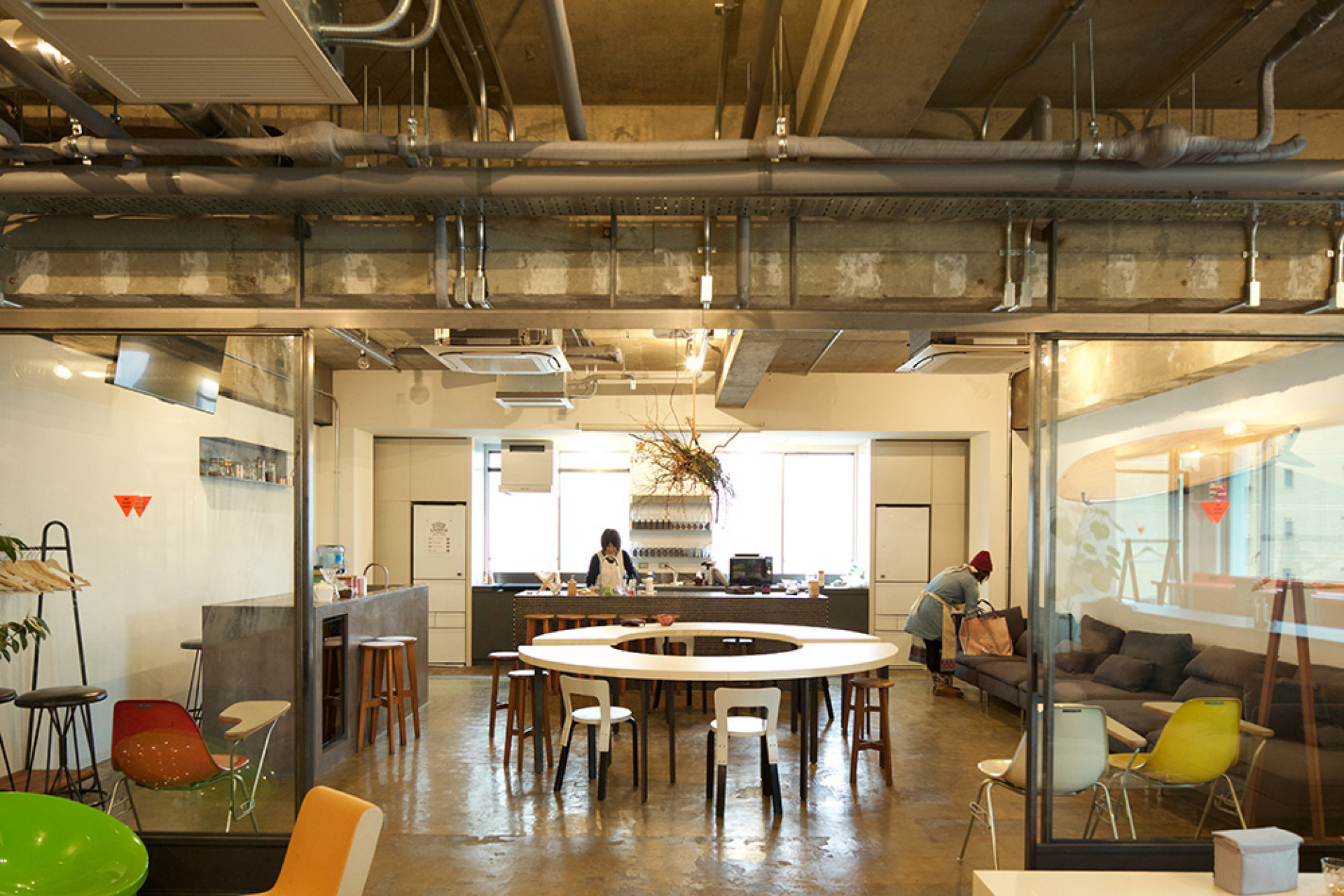
At 8:30AM we opened the doors to Midori, a co-working space for startups in the centre of Tokyo. It didn’t take many minutes until the first Daimler Trucks Asia participants made their entrance, and the mood was high as we for the first time had the chance to connect names with faces in the real world.
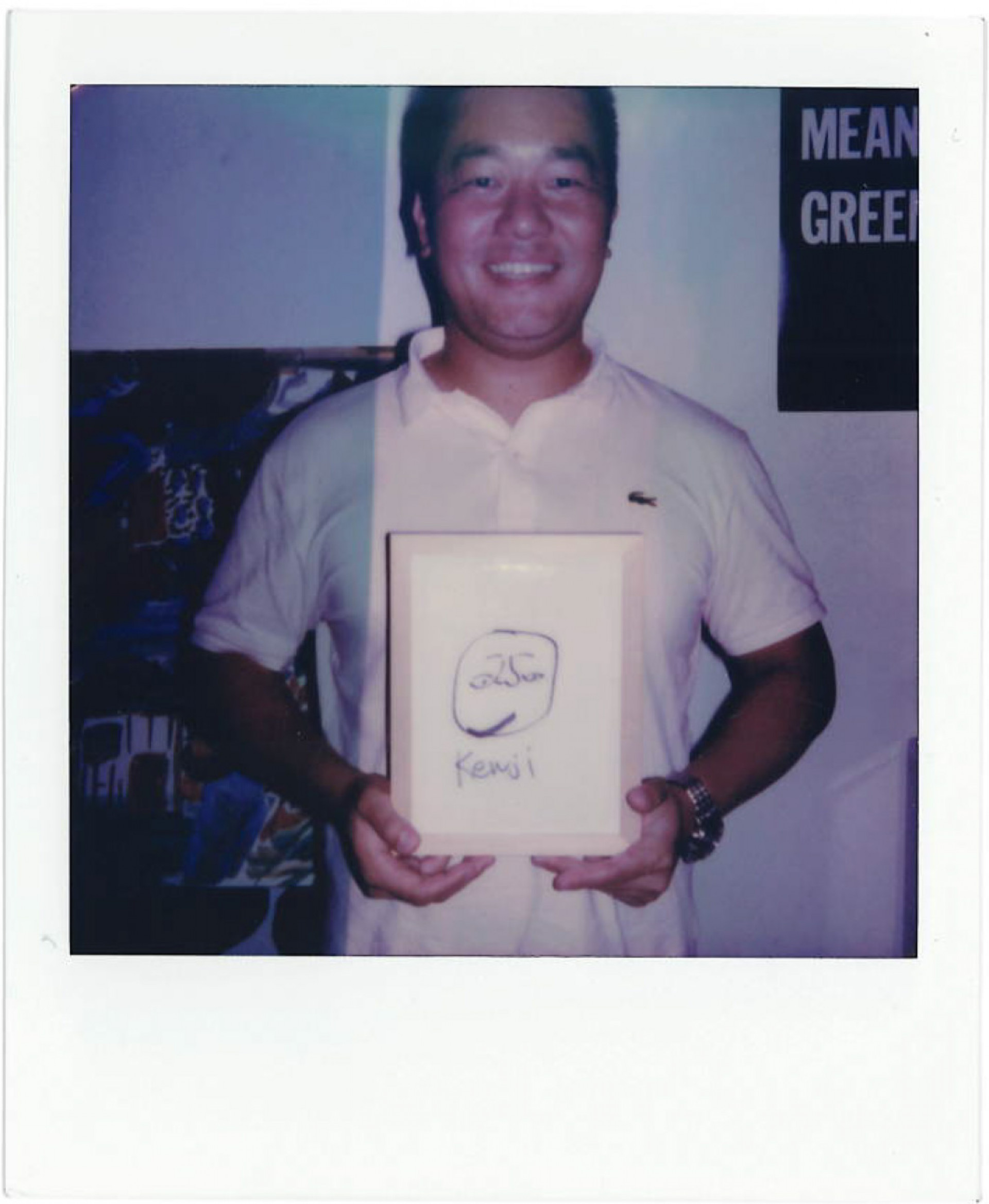
When everyone had settled in and the sofa table was filled with coffee and sweets, we started off with a short exercise made to push us out of our comfort zone, bring forth our creativity and start to pay closer attention to each other. Without looking, we had to draw the faces of our neighbour. Fortunately, we quickly saw the playful spirit in everyone gathered, and when we followed the drawings with a short presentation round of who each of us were, we also got affirmed that we had a confident group gathered to start our collaboration.
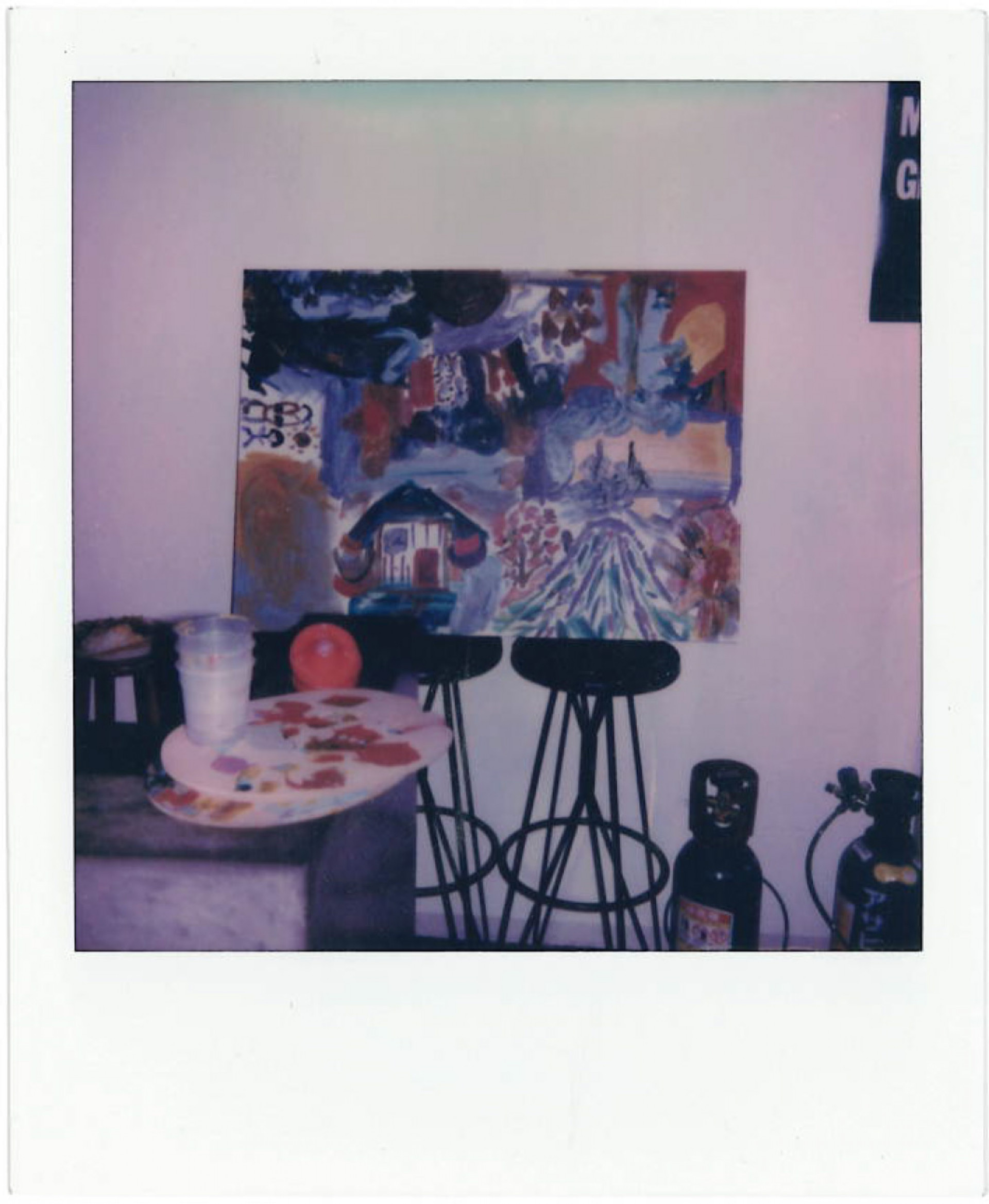
To further nurture the informal relationships and bring forth creativity, we continued into a collective act of silent dream painting. Originally developed and used by indigenous tribes, silent dream painting is a way to build bonds between tribe members. It is also a way to reduce the ego and become a unit, as each member is encouraged to fill in all the blanks and even paint above each other. Our collaboration will only succeed if we collaborate.
Dreams & Nightmares: Nurturing a space of trust
Transitioning from the lobby to the round table, we started a short session focused on articulating our worst nightmares and our biggest dreams for this collaboration. While it was the first time ArtRebels and Daimler Trucks Asia had time to meet face to face, each team, and each individual at the table are bringing their own dreams and fears, formed by the past experiences, both personally and professionally.
We used the format of silent monostorming, where all participants are given a couple of minutes to reflect on their own, after which everyone shared their reflections with the whole group. This is a powerful method to ensure a diversity of voices, by creating a space where anyone, no matter formal or informal hierarchies, are heard as an equally important contributor.
Creating a shared space to directly talk about our dreams and nightmares is a way to start shaping the common goal. It is also a way to ensure that any insecurities that might persist get shared and talked about with the entire group. In this way, we aimed to create a space for trust and intimacy, and we were happy to witness how open and courageous everyone was.
“I dream of a collaboration that is full of energy, imagination, meaning and ambition. I dream of building new strong relations, built on trust and kindness. I dream of us finding exciting new paths for Daimler to contribute to the world in meaningful ways and to support that journey the best we can. I dream of a future where Daimler can be a leader within sustainable, clean and meaningful transportation supporting basic human needs of mobility.”
One of the dreams shared
“That nothing happens because bureaucracy kills great ideas or because we can’t convince people and stakeholders to support our visions of a better future. That we get stuck in a traffic jam and lose patience and get frustrated.”
One of the nightmares shared
Writing Our Manifesto: Setting an initial direction
Following the line of dreams, Doug Banks took over and presented us with three different versions of manifestos. Reading out loud as a group, we read the Bauhaus manifesto, Mozilla’s manifesto and finally, Apple’s Here’s to the Crazy Ones manuscript.
When we first started reading out loud the words of the manifestos in union, each of our voices had a different pace, but as we got accustomed to each other and the words of social dreams, we started to sound like a choir.
Especially Apple’s Here’s to the Crazy Ones speech from their 1997 advertisement with the same title sparked hope and inspiration in many of us sitting around the table. And it became an often-used reference when everyone was given time to make initial notes and early sentences for a potential manifesto for our collaboration.
Customer Mapping: What Is Your Purpose?
After having prepared and eaten lunch together, we once again settled into the lounge area with a coffee, this time facing a giant empty piece of paper. As we started to map out the different customers of Daimler Trucks Asia, we quickly realized that this was not a short exercise. Everyone had important things to add from their own departments and working responsibilities.
The customer map grew and we even had to add a second row of paper to accommodate for everything. Yet a few things became clear during this group conversation; the importance of trucks and buses for society was often lost in translation and Daimler Trucks Asia had little to no direct contact with their customers, even more so with the drivers — the users of their products.
This insight has sparked a fairly decent amount of work outside of the workshop — work that will take longer to accomplish — but already in the workshop we started to ask ourselves what we would want to know from the customers if we had the chance to ask them.
Through collective voting, the four most burning questions were:
- What is your biggest fear now and in the future?
- What is your purpose?
- What is your business model?
- How do you use your truck?
Knowing that innovation doesn’t end with the design of the product, these are questions putting us on the same page. It is not enough to create the best trucks and buses, we need to consider and design for the uses of them too. Use that not only considers the relationship between Daimler Trucks Asia and the customers, but also notices the impact on society, the planet, the truck driver and everyone busy keeping our world moving.
Wrap-up & Meditation
As we approach the time where Kenji Togami would take control of our faith and guide us to food and drinks, our heads and bodies were tired from a full day of dreaming, sharing and getting to know each other. But before we would let loose, Kristoffer handed everyone a piece of paper and an envelope, asking for the final favour of the day: to individually reflect on everything that had happened and write a short, concealed message to the ArtRebels team.
And then it was almost time to leave the coworking space where we had been gathered since the morning. But with our heads and bodies full of impressions, Carla asked us all to close our eyes while she guided us through a meditation, connecting to our younger selves. While we were reflecting on what’s important for us, comforting music was playing. We opened our eyes. Looked into each other’s eyes. And one by one shared what we’d take with us from today.