Magazine
Usually in life, you have to take responsibility for and act according to the circumstances you create on your own. Halle Jarvi, a writer and editor of the international Mayday Magazine, zooms out to take a look at history and finds a different story: one that leaves us dealing with the consequences of choices made by the people who came before us. But there’s no use in complaining. Maybe the simple realisation and questioning of other players’ viewpoints of history can help us understand how to use the past in respect to building the future.
Some say that history is written by the victors. In fact, some historians and philosophers have even gone so far as to say that history is essentially just a bunch of biographies of “great men” stitched together into a narrative. And I have to say that from my vantage point, I think they’re onto something here. Have I, after sitting through countless hours of the history of art in university, remembered any paintings of battles lost? No. The masterpieces, the artistic retelling and representation of past events coming from the Western world up until about the 19th century, were mostly “triumphs” and “oaths” and “weddings.” All that’s to say that, by the time history catches up with us in the present there are only so many preserved and presented viewpoints. So I was left wondering about other versions of the story, other realities and other pictures running parallel to that of the victors. Surely, I thought, there must be new ways of thinking about history in the future that gets rid of a meaningless hierarchy that does nothing other than solidify institutional bias.

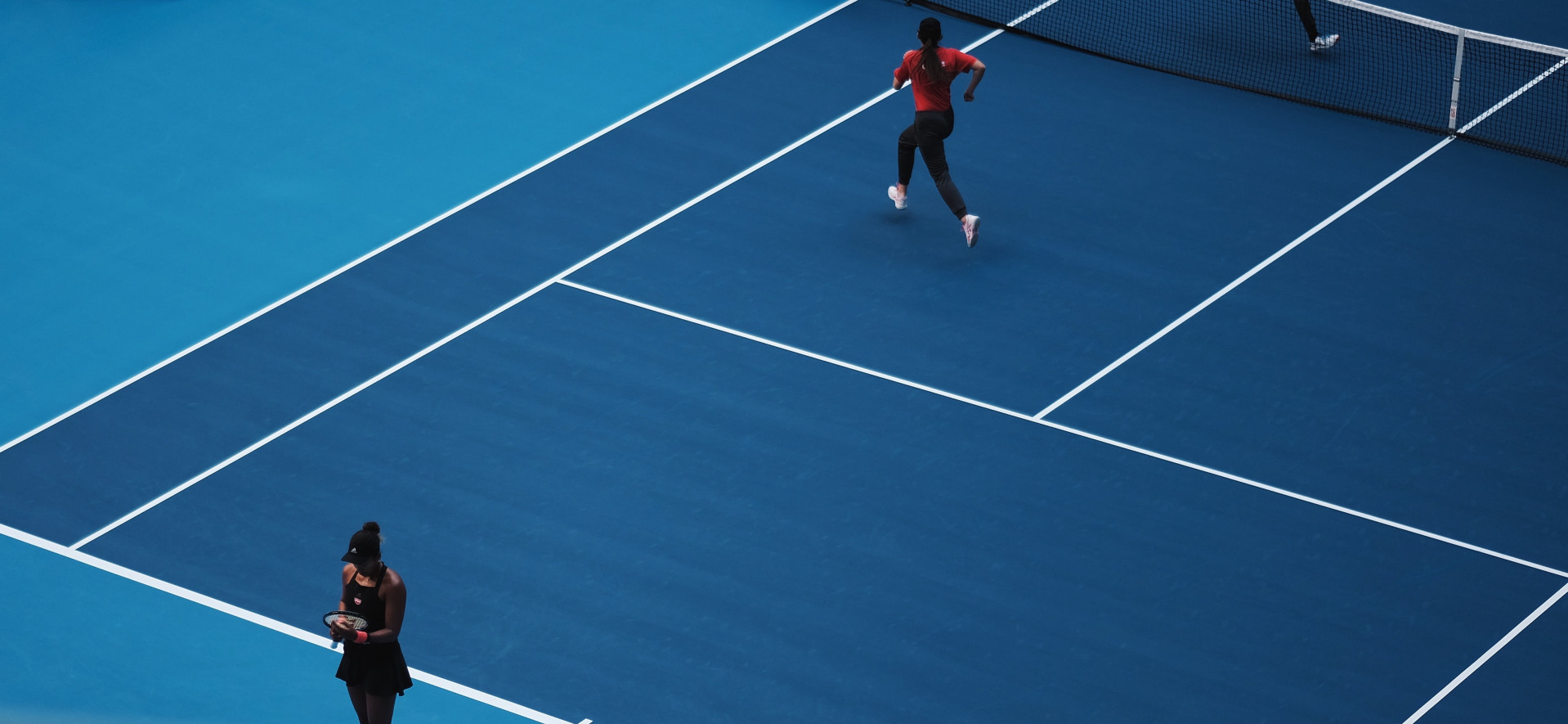
For another view, I turn to the infamous German philosopher and every-man Karl Marx. He did away with winners and losers when he looked at history as simply the set of circumstances that we inherit and under which we must toil to make our own way. Marx’s view makes it sounds a bit like a hopeless situation, but maybe the point is somewhere in between. While we can’t do anything to change the circumstances we’ve been dealt in the present, what we can do is focus our efforts on constructing better circumstances for our future kin to inherit.
So, you might ask, who has the power to build the future history? As a young woman, the idealistic part of me screams out: “we all do.” And surely, my idealistic self instills in me the idea of individual responsibility, which is important. But — and there’s always a “but” — building the future, especially in today’s literal and figurative climate, will require a radical change; maybe even the kind that big, slow-moving, bureaucratic governments and corporations have the most sway in.
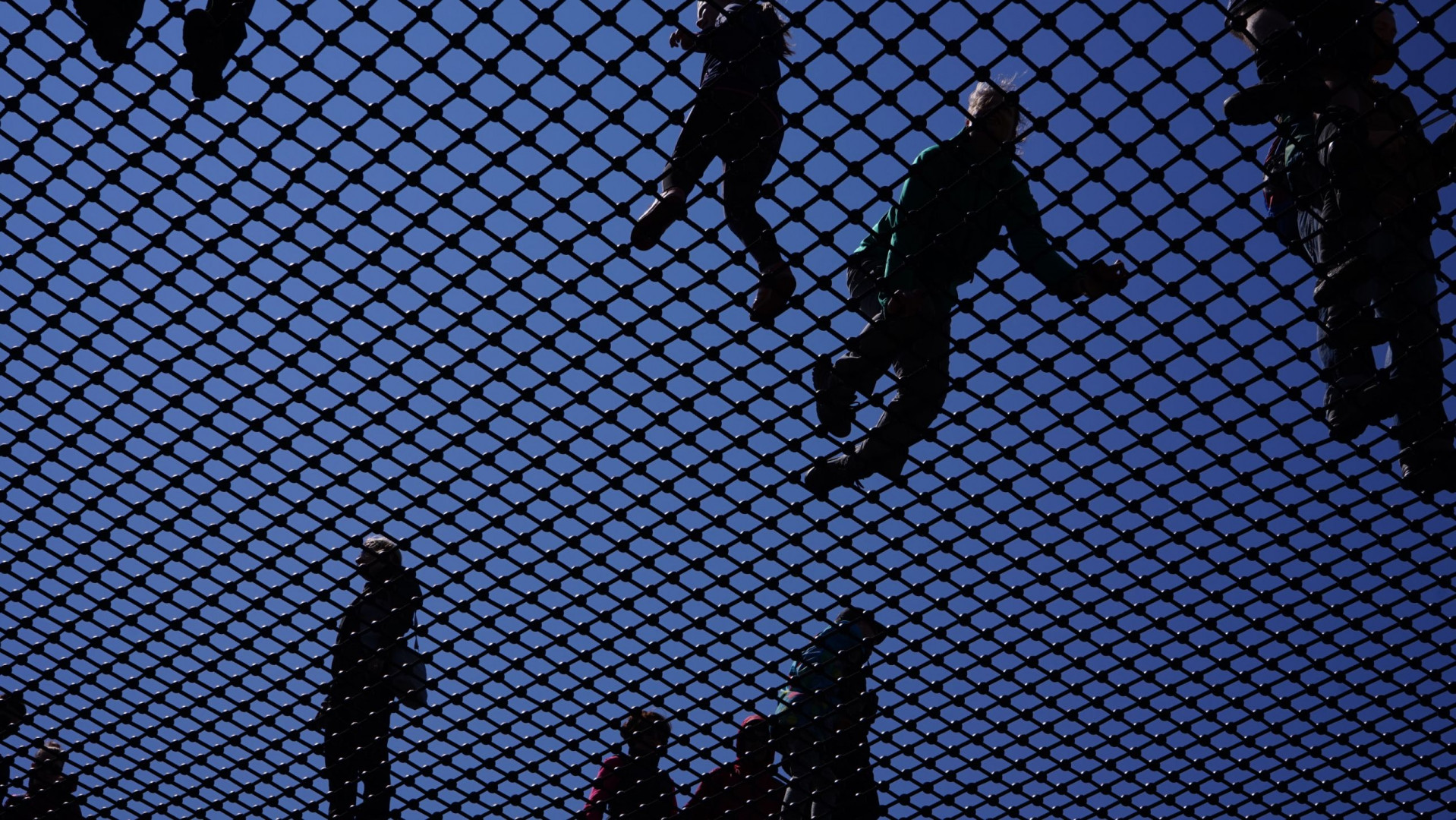
Building the future, especially in today’s literal and figurative climate, will require a radical change.
It’s pretty safe to say that the guys at the upper echelons of the billionaire club, the ones running these big, slow-moving institutions, are the winners of today. But of course, there are different degrees of winning. I myself am a pretty comfortable winner of sorts, touting a US passport, an education, a two-bedroom apartment in downtown Copenhagen and a new pair of Doc Martens. But I am not only my things, I am my responsibilities. I work hard to sort my garbage, take public transportation and eat less meat as the times change and the world demands different standards. Of course I could be doing better, and I am faced with the prospect of my shame in the future.
If that’s enough to keep me up at night right now, I can only imagine what that’ll feel like for today’s big winners in the future. Because, when we think long-term about the consequences that the victors are setting up for future generations, we can be sure that neither they, nor their businesses will be regarded as such forever. The history of our future is not glorified portraits of today’s so-called winners — it’s an abstract, collaborative canvas. And as we hand off the brush to the next generation, the question remains: will rethinking future history be enough to motivate people to make a change? To make some sacrifices and to think of the bigger-picture and of other people?
Even though we will not be there in the distant future, we are here, setting up the conditions for future history. The victors for now will not hold their position indefinitely; everything comes to an end, that is the only constant. That, and that in the future, we’ll all have to adapt to the circumstances dictated by the ultimate victor — our planet. We as a society are at our most advanced technologically and intellectually speaking. Yet we find ourselves incapable of both the empathy and the willingness to stop dividing the winners from the losers. And we must do so, lest we forget what got us here in the first place.